Most individuals have listened to the "every six months" regulation. It is a good starting factor, however it is not a one-size timetable. The right cleansing interval depends on your mouth's biology, your habits, your medical problems, and even your anxiety level. I have seen folks who can safely stretch to nine months easily, and others that need a thorough cleaning every eight to 10 weeks to keep gum inflammation away. The most intelligent timetable is individual, based upon evidence gathered from your periodontals and teeth, not guesswork.
This overview sets out exactly how dental professionals actually choose cleansing frequency, what happens during a specialist cleansing, and which variables nudge you towards a shorter or longer period. I will certainly likewise cover diplomatic immunities, from dental implants to braces to emergencies, and just how to maximize the check out you are already spending for. If you are keying "dental expert near me" and trying to figure out what to ask when you arrive, you will certainly have a clear strategy by the end.
What an expert oral cleaning accomplishes
An expert oral cleaning, commonly called prophylaxis or "prophy," does greater than gloss stains off coffee-loving molars. The hygienist and dentist eliminate plaque and calculus that your tooth brush and floss can hold one's ground. Calculus, sometimes called tartar, is mineralized plaque. Once it solidifies, it supports bacteria along the gumline and between teeth. Bacteria release acids and toxic substances. Left long enough, the gum tissues swell and bleed, bone levels start to drop, and teeth loosen over years. We call that development periodontitis.
A basic cleaning focuses on getting rid of plaque and calculus from over the gumline and just into the sulcus, the superficial pocket around each tooth. If you have healthy periodontals and pockets that determine 1 to 3 millimeters, this is typically sufficient. When pockets deepen to 4 millimeters or even more, and bleeding is frequent, we alter course to gum treatment, likewise known as scaling and origin planing. That is not a "regular cleaning." It is deeper, quadrant by quadrant, and typically supported with numbing and occasionally local medicaments. The follow-up routine after periodontal treatment is its own roadmap, and it is stricter than the "every 6 months" idea.
Cleanings additionally offer us a picture. We measure pocket midsts, look for blood loss and plaque levels, and compare to previous visits. If you have oral implants, we analyze tissue tone, probe lightly around the dental implant, and in some cases take targeted radiographs to confirm bone stability. Implants can be fairly flexible when maintained well, however when plaque accumulates, peri-implant mucositis can come to be peri-implantitis quickly.
The truth behind the six-month rule
Where did six months come from? It is a mix of tradition and public health and wellness pragmatism. For a huge piece of the populace with average threat, a six-month recall records very early modifications before they come to be pricey issues. It also aligns with insurance policy benefits in the United States, which frequently cover two treatments visits per year.
Insurance, nonetheless, is not a health insurance plan. It is a contribution toward care. Your mouth does not coordinate with protection caps. A low-risk grownup that brushes, flosses, and consumes a low-sugar diet regimen may maintain magnificently with cleanings every nine to twelve months, offered they go to normal tests and X-rays at clinically suitable intervals. On the various other hand, someone with early gum tissue disease, heavy tartar development, or medical conditions that get worse swelling might require a cleansing every 3 to 4 months. Both choices can be correct.
How dental professionals customize your cleansing interval
We normally anchor the choice to 4 measurable areas and one sensible one:
- Gum metrics: pocket midsts, bleeding on probing, recession, and clinical attachment levels. Consistent blood loss in several sites is the best predictor of illness activity. Tartar and plaque buildup: how rapidly down payment returns after a cleaning. Some people construct calculus rapidly despite having exceptional cleaning. Salivary structure and tooth anatomy matter. Caries risk: active cavities, low saliva flow, regular snacking, and deep grooves or revealed origin surfaces raise the threat. Regular cleanings aid with targeted fluoride and coaching. Systemic and way of life aspects: diabetic issues, maternity, nicotine usage or vaping, autoimmune disease, specific medicines that dry out the mouth, and high tension. These all adjustment gum biology. Home treatment reality: inspiration and method. A patient that utilizes a powered brush for two minutes two times daily, cleanses in between teeth most days, and utilizes a fluoride rinse will likely need less specialist touches than somebody who brushes as soon as swiftly and seldom flosses.
When we see reduced blood loss, shallow pockets, very little calculus return at six months, and strong home care, we might test a much longer interval. We will normally include a safeguard, like a fast check three months right into the longer cycle or a phone follow-up to catch any drift. If swelling returns or calculus develops swiftly, we shorten again.
Common schedules, and what they imply
A three-month interval matches individuals with a history of periodontitis, energetic gingival inflammation that resists self-care, hefty calculus development, or risky clinical conditions. It is basic after gum therapy since biofilm around tooth roots recolonizes within weeks. 3 months allows us intercept disease prior to the immune reaction and bacteria chain with each other to break down more tissue.
A four-month interval is an excellent happy medium for patients that are stable but not yet consistently bleeding-free, or those using braces or aligners where plaque control is harder. It additionally works well for people with multiple crowns and bridges, or those that grind heavily.
Six months continues to be suitable for reduced to modest risk and good home care. Nine to twelve months can be secure for absolutely low-risk individuals with remarkable health, low sugar consumption, and regular check-ins. If a person stretches past a year, they must recognize they are taking on even more danger. When troubles make, they are usually pain-free early. An asymptomatic mouth is not necessarily a healthy mouth.
How dental implants change the cleansing conversation
Implants are not teeth. They never ever obtain cavities, but they do obtain gum tissue swelling. The seal around a dental implant is various from the ligament around a tooth, and when inflammation takes hold, bone loss can relocate much faster around implants. A dental implants periodontist or a knowledgeable basic dental professional will certainly frequently recommend three or four month maintenance for patients with a background of peri-implant mucositis, smokers, diabetics, or those with challenging dental implant positions that trap plaque.
Instrument choice issues for implants. We utilize non-scratching ideas and brushes that will not roughen the titanium or zirconia surface area. If your dental center deals with lots of implant individuals, ask just how they keep implants and whether they track peri-implant penetrating depths and radiographic bone levels with time. You desire that data.
If you are browsing for a "dental professional near me" because you have implants and hemorrhaging around them, look for reference of experience with dental implant upkeep and periodontics. In Boston, a method like Oral Designs Boston or a holistic dental practitioner Boston who still abides by evidence-based protocols can balance gentle treatment with necessary intervention. The name on the door matters less than the rigor of the upkeep protocol and the means they enlighten you.
Special populaces that need to not wait 6 months
Pregnancy changes gum tissue reaction. Hormone modifications can make periodontals puffy and bleed quickly, even in individuals that had no difficulty prior to. A mid-pregnancy cleansing can protect against pregnancy gingivitis from rising. If nausea or vomiting makes cleaning challenging, we adjust with smaller sized brushes, baking soda rinses, and critical fluoride.
Diabetes, especially if A1C runs high, increases the risk of periodontitis. Managing blood sugar aids gums, and controlling gum swelling aids blood sugar level. Most of my diabetic person clients do best with three or 4 month cleanings up until both the gum tissues and A1C stabilize.
Dry mouth, caused by dozens of typical medications or by autoimmune conditions like Sjögren's, ramps up cavity risk along the gumline and on root surface areas. Extra constant cleanings let us supply high-concentration fluoride varnish and watch for very early chalky sores before they cavitate.
Orthodontic therapy makes complex home treatment. Brackets, cables, and even aligner attachments collect plaque. Teens are notoriously irregular with flossing. A four month schedule throughout dental braces saves heartache when the brackets come off.
Cancer treatment, especially head and neck radiation, changes saliva and cells action. Job carefully with your oncologist and dentist to establish a safety schedule, sometimes monthly during energetic treatment, then stepping back as cells recovers.
What occurs if you stretch the period as well long
Anecdotes stick to you in dentistry. The thirty-year-old software program engineer who pushed cleansings to as soon as every two years due to the fact that he "never had a tooth cavity" turned up with blood loss at virtually every website and a peppering of very early bone loss. He had actually changed to a high-caffeine, low-water regular and began vaping. He assumed his gums hemorrhaged because he began cleaning harder. We captured it in time, but it took scaling and root planing, 4 follow-up cleansings over a year, and a switch to a fluoride tooth paste and interdental brushes to return to stability.
The slippery slope appears like this: much more calculus types in sheltered areas, germs dig in, https://rentry.co/ieiy9dv8 the body immune system responds, and the periodontal add-on slowly slides down the tooth root. Teeth still look penalty in the mirror. They practically never harmed till late. The initial evident sign is often subtle wandering or a triangle of dark area in between front teeth where papilla used to be. That is why timing matters even when you feel fine.
What counts as a cleansing versus periodontal maintenance
If you have ever been shocked by a cost for "gum maintenance" rather than "prophylaxis," you are not alone. They are not interchangeable. Prophylaxis is for healthy and balanced gum tissues and shallow pockets. Gum maintenance is the follow-up stage after scaling and origin planing or a history of periodontitis. It includes deeper instrumentation, local origin planing where needed, and more detailed tracking. Most patients on periodontal upkeep remain on a three or 4 month schedule, often forever, because the objective is to avoid reappearance, not to finish back to a six-month prophy and neglect the history.
If you are not sure which you require, ask your service provider to evaluate your most current periodontal chart with you. Try to find pocket numbers, bleeding websites, and a story of your condition background. A great oral facility will show you the data instead of request for blind trust.
How an alternative strategy fits without giving up evidence
The expression all natural dental practitioner Boston obtains browsed usually, and it suggests various points to different individuals. In my experience, the most beneficial "alternative" technique is one that appreciates the mouth as part of the body and uses products and techniques fit to your biology while remaining grounded in evidence. For cleansings, that can mean picking gloss pastes without unnecessary flavor allergens, handling aerosol with high-volume emptying, using biocompatible fluoride alternatives when appropriate, and customizing home-care suggestions to diet and sleep, not simply brushing technique.
Holistic must not suggest missing X-rays for years or staying clear of gum therapy when gum tissues are damaging down. The microbial and inflammatory chauffeurs of gum tissue illness do not care whether a practice identifies itself holistic or cosmetic. They react to elimination of biofilm, reduction of danger variables, and consistent maintenance.
Why cosmetic goals still rely on cleanings
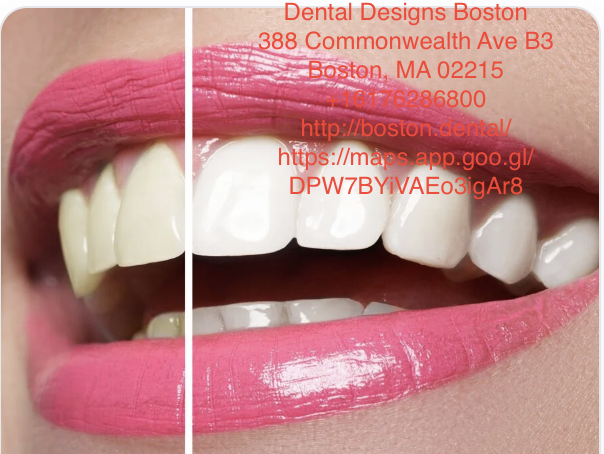
Patients usually locate me since they desire whiter or straighter teeth. A cosmetic dental expert can provide veneers, bonding, or bleaching just if the structure is sound. Whiteners penetrate best on teeth without calculus and spots. Bonding blends much more perfectly when the gumline is tranquil and not inflamed. Veneers on inflamed gum tissues age badly. I have delayed smile makeovers for months to stabilize gum tissue health initially, and the outcomes last longer because of that patience.
If you are considering lightening ahead of a wedding event or portraits, prepare a cleansing two to 4 weeks prior. That routine allows any transient sensitivity to settle and provides the lightening gel a clear path to the enamel. If your periodontals bleed throughout cleaning, obtain that in control first. Aesthetic work should be the icing, not the spackle.
Emergencies and the cleaning clock
Emergency dental care addresses pain, infection, and injury. A busted tooth or swelling does not wait for your following cleansing. Still, emergency situation brows through can disclose why problems surfaced. A fractured molar typically tracks back to heavy night grinding and tight muscles. An infection from a deep dental caries typically signifies months or years of plaque control challenges and missed out on maintenance. After emergency oral services take care of the instant need, make use of the momentum to set a cleansing and test. The same goes for damaged veneers or crowns, which tend to fall short quicker in mouths with chronic inflammation.
If you are new in town and looking "best dental practitioner in B, MA." or "dental professional near me," do not just look at luxury scores. Read reviews that mention health visits, gum treatment, and follow-through after emergency situations. If a method values upkeep, clients discuss it.
How to make each cleansing count
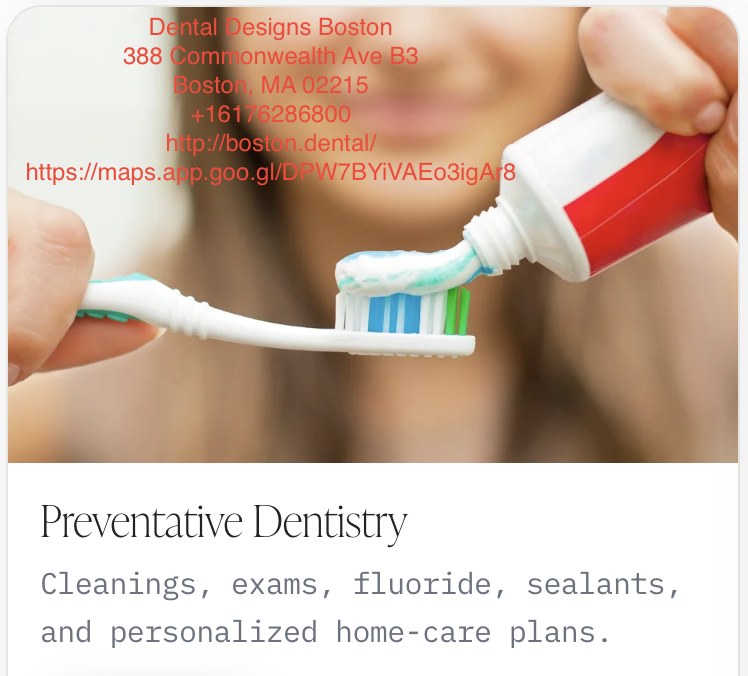
A cleaning that alters your mouth right does not feel like a one-way polish. Anticipate dimension, responses, and a game plan. The home regimen you adhere to determines 80 percent of your outcome. The office see, done right, fine-tunes and motivates.
Here is a brief checklist I give clients who desire even more worth per see:
- Ask for your pocket chart and bleeding score in plain language, and compose them down. Trends matter greater than a single number. Bring your tools. If you utilize a particular brush head, interdental brush dimension, water flosser idea, or toothpaste, reveal them to the hygienist for real-time coaching. Tackle one behavior each time. For many, that implies changing to a powered brush, adding nightly fluoride tooth paste, or cleansing in between teeth at least four days a week. Align diet plan with objectives. Frequent drinking on sweetened coffee or power beverages weakens terrific cleaning. Consider sugar-free choices and a water chaser. Schedule the following go to before you leave. Uniformity beats intention every time.
The duty of fluoride and adjuncts between cleanings
If your risk for cavities is high, fluoride varnish at each cleansing can go down brand-new degeneration by a purposeful margin. High-fluoride toothpaste at going to bed, typically 5,000 ppm, aids specifically if roots are exposed or saliva is low. For gum tissue inflammation, antimicrobial rinses like chlorhexidine can assist short term, however they discolor and are not for chronic everyday use. Vital oil rinses or cetylpyridinium chloride rinses are gentler for longer stretches, though they are not a substitute for cleansing in between teeth.
Interdental brushes exceed floss in mouths with gum economic crisis and black triangles since they scrub the sides of the teeth where biofilm hides. Water flossers can aid, specifically around bridges and implants, yet they do not change mechanical get in touch with. If you remain in doubt, ask your hygienist to size interdental brushes for you. The appropriate size matters.
Cost, insurance, and the actual business economics of prevention
Patients commonly ask whether a three-month timetable is "worth it" if insurance just spends for 2 cleansings a year. The math is clearer when you contrast it to the price of scaling and origin planing, crowns put due to decay at the margins, or dental implant treatment after missing teeth. A periodontal maintenance go to may cost a couple of hundred dollars. Scaling and origin planing runs several times that. A dental implant with the crown can land in the thousands. Avoidance is not simply a motto. Over five to 10 years, the quieter, a lot more regular upkeep path prices much less and harms less.
If you require a gradient method because of spending plan, speak to the office. Startle much deeper cleanings by quadrant. Set three-month cleanings with targeted home-care upgrades. Some techniques, including those like Oral Styles Boston, supply in-house membership strategies that consist of more constant cleanings at a price cut. Financial discussions ought to not be uncomfortable. They become part of wellness planning.
When extending intervals makes sense
There are times to extend the interval. A healthy young adult without dental fillings, outstanding hygiene, and a low-sugar diet plan may be great at 9 months. A midlife adult that has never had a cavity, shows no bleeding, and has marginal tartar return can examine twelve months with acting check-ins, like a fast test or bitewing X-rays at the midway mark. Throughout travel-heavy periods or caregiving durations, sanity matters as well. If you extend, make up by tightening home care. Utilize a timer with your brush. Add nightly fluoride. Tidy in between teeth most days, not prior to the cleansing. After that go back to a rhythm that maintains your numbers steady.
Choosing the appropriate company for your mouth
Your individuality and preferences matter. Some patients desire an alternative leaning technique that reviews diet and materials. Others desire an aesthetic dentist who can blend upkeep with a smile upgrade. Some need an oral implants periodontist to handle intricate gum tissue and bone concerns. Good care is much less regarding the tag and more about the structure: extensive charting, honest risk evaluation, customized periods, and consistent measurement.
If you are regional and looking "dental expert near me," call two or 3 workplaces and ask sharp questions. Do they do complete periodontal charting at the very least once a year? Do they photo gum tissue areas that hemorrhage to track modification? Just how do they arrange upkeep for individuals with a history of periodontitis? What is their protocol around implants? A thoughtful front workdesk or treatment coordinator will certainly have genuine responses, not vague assurances.

Final assistance you can act on
The right cleansing interval is the one that maintains bleeding sites close to no, pockets shallow, and calculus build-up minimal at each check out. 6 months works for many. 3 or four months is the standard for any person with gum illness history, risky clinical variables, hefty tartar, or implants with swelling. An uncommon couple of can press beyond six safely, however just with clean information and solid habits.
If you are overdue, do not wait for discomfort. Reserve the cleansing and examination. Treat it as a reset. If you have actually a favored Boston office, whether a full-service practice like Dental Designs Boston or a smaller area dental center, let them gauge and advise. If an emergency situation pushed you right into the chair, utilize that energy to establish an upkeep plan as quickly as the situation settles. Healthy gum tissues and tidy enamel assistance every little thing else you desire from your smile, from fresh breath to a confident laugh to an aesthetic result that still looks fantastic a decade later.
Dental Designs Boston 388 Commonwealth Ave B3 Boston, MA 02215 +16176286800 http://boston.dental/ https://maps.app.goo.gl/DPW7BYiVAEo3igAr8